
South Florida, particularly Boca Raton, faces a surge in spam text messages due to technological advancements. This issue poses risks like phishing, malware, and identity theft. Local authorities are combating this problem through education, stricter regulations, and collaboration with tech companies, aiming to create a safer digital environment for citizens and curb Spam Text Florida.
“Spam text has emerged as a persistent challenge for communities across South Florida, including Boca Raton. Recent developments in this ever-evolving landscape present both new threats and innovative solutions. This article delves into the rise of spam text in Florida, examines Boca Raton’s proactive measures to combat unwanted messages, and explores cutting-edge techniques and legal actions aimed at mitigating the impact of spam text on residents.”
Rise of Spam Text in South Florida Communities

In recent years, South Florida communities have witnessed a significant rise in spam text messages, posing a growing concern for residents and businesses alike. This trend is particularly prominent in cities like Boca Raton, where the dense population and high real estate values make it an attractive target for spammers. With advancements in technology, these unwanted texts have become more frequent and sophisticated, often appearing as legitimate communications from local businesses or even friends, making them harder to detect.
The influx of spam text in Florida is not only disruptive but also carries potential risks. From phishing attempts and malware distribution to identity theft and fraud, the consequences can be severe. As these messages often exploit time-sensitive offers or create a sense of urgency, they can trick recipients into providing sensitive information without realizing the risks involved. This has prompted local authorities and law enforcement agencies to step up efforts to educate citizens and implement stricter regulations to combat this pervasive issue.
Boca Raton's Battle Against Unwanted Messages
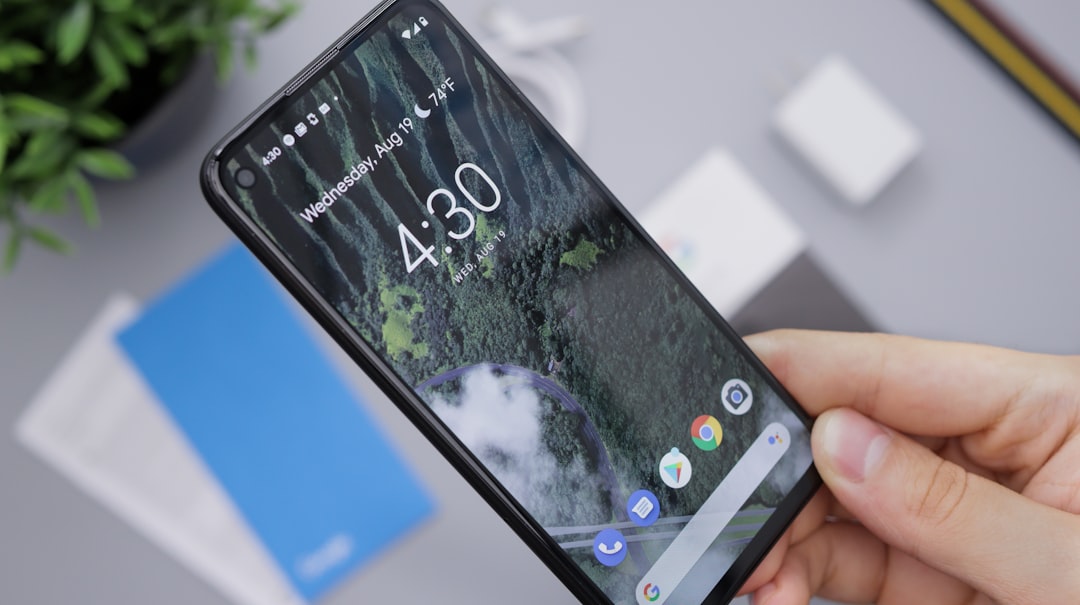
Boca Raton, a vibrant city in Florida, has been grappling with an increasing surge of spam text messages in recent times. This unwanted influx of promotional and fraudulent texts has become a growing concern for residents and local authorities alike. The issue has sparked a battle against these persistent and often harmful messages, with the city’s residents taking proactive measures to mitigate the problem.
The prevalence of spam text in Florida has led to a concerted effort to educate the public about the risks and impact of such messages. Local law enforcement agencies have been working closely with telecommunications providers to trace and disrupt spam networks. Additionally, community initiatives encourage citizens to report suspicious texts, providing valuable data to combat these persistent digital pests. Boca Raton’s proactive approach is a testament to its commitment to ensuring a safer and more secure digital environment for its residents in the face of escalating Spam Text Florida cases.
New Techniques and Legal Measures to Combat Spam
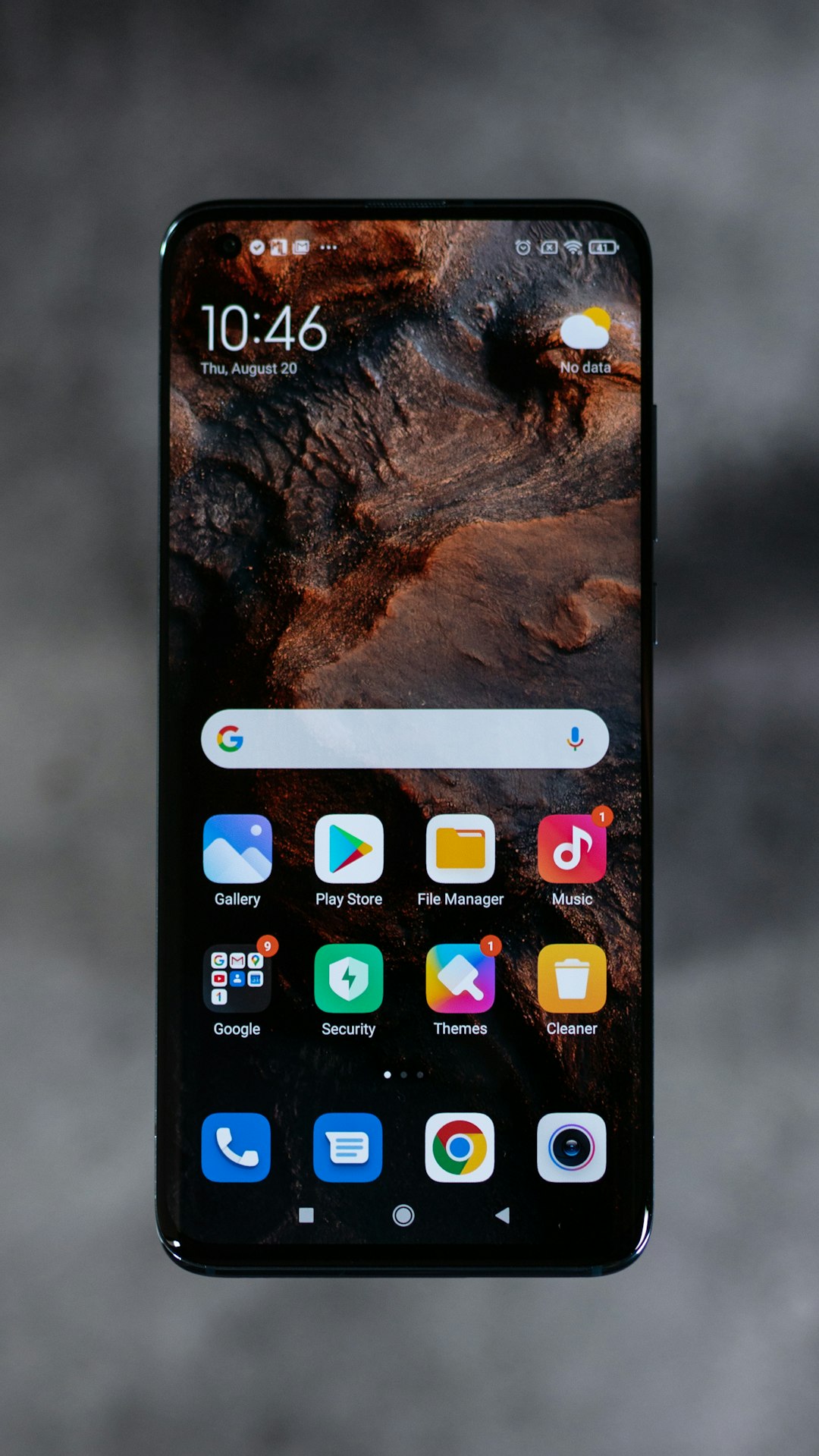
Spam text cases in Boca Raton, like across Florida and beyond, have evolved significantly with new techniques employed by spammers to bypass existing measures. However, legal authorities and tech companies are responding with innovative counter-strategies. These include advanced filtering algorithms that can detect subtle patterns and anomalies often used in spam texts, as well as stricter legislation aimed at tightening loopholes exploited by spammers.
In Florida, where the sheer volume of text messages sent daily makes it a prime target for spamming, regulatory bodies are collaborating with telco providers to implement robust anti-spam policies. Educational initiatives targeting both consumers and businesses are also on the rise, promoting awareness about identifying and reporting spam texts. These collective efforts aim to create an environment that discourages spamming while ensuring effective communication for legitimate users.